
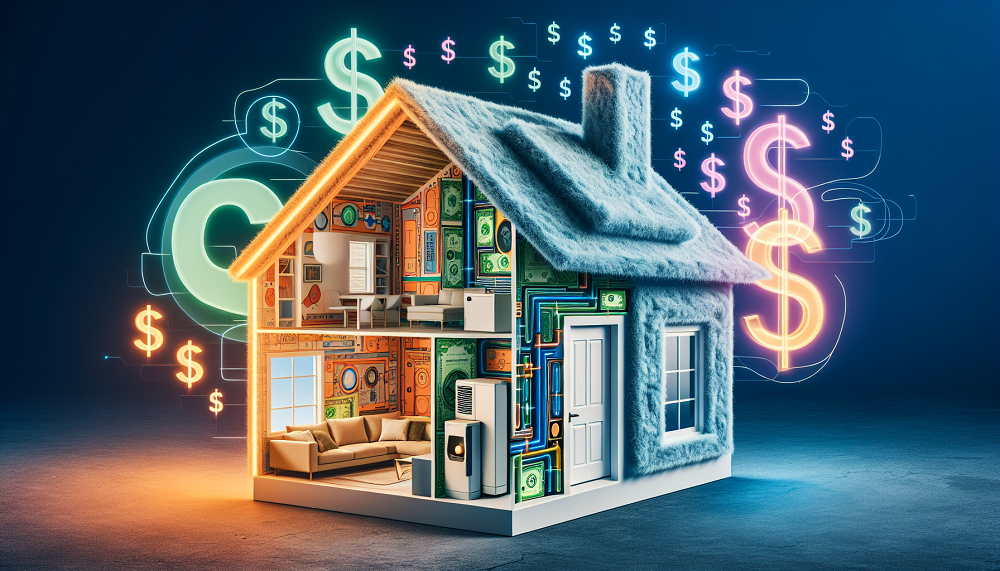
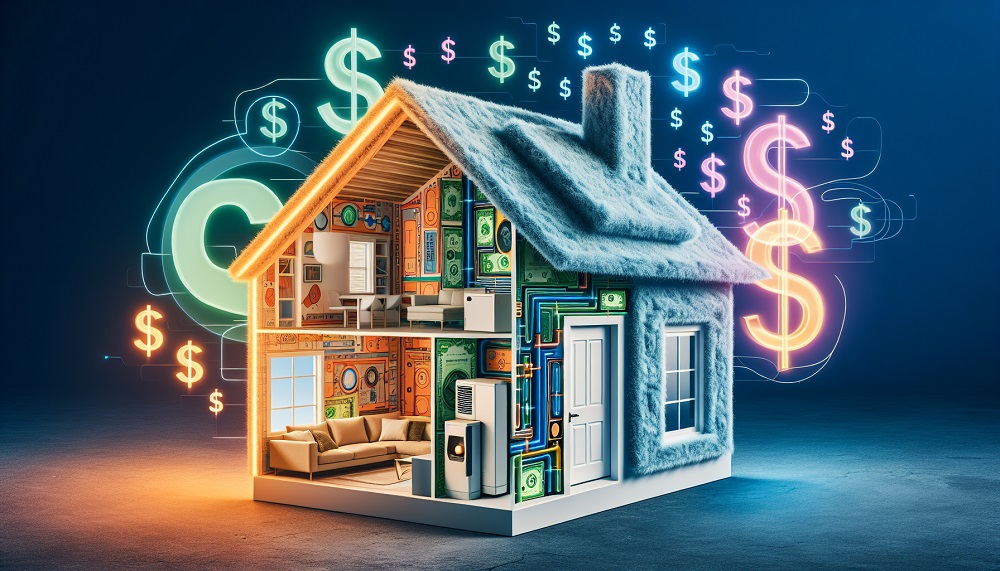
When considering affordable home upgrades, many homeowners wonder how to enhance energy efficiency and indoor air quality without breaking the bank. This guide explores impactful improvements you can make for $1,000, $5,000, or $10,000 to create a healthier, more efficient living space.
Table of Contents
- 🛠️ Introduction to Home Upgrades
- 🔍 Understanding Your Home’s Needs
- 💰 Starting with $1,000: Energy Audit
- 🌬️ Improving Indoor Air Quality Under $1,000
- 💧 Dehumidifiers: A Quick Fix for Humidity
- 🚀 Upgrades for $5,000: Implementing Insights from Energy Audit
- 🔧 Sealing Ductwork: Enhancing HVAC Efficiency
- 🌬️ Advanced Air Filtration Systems
- 💵 Transformative Upgrades for $10,000
- 🌀 Mini Split Systems: Customized Comfort
- ✅ Conclusion: Take Action on Your Home Upgrades
- ❓ FAQs about Affordable Home Upgrades
🛠️ Introduction to Home Upgrades
Home upgrades can significantly enhance your living environment, making it more energy-efficient and improving indoor air quality. Whether you live in an older home or a newer build, small changes can lead to big improvements. This section introduces the importance of understanding what upgrades you need and how they can transform your space.
Why Upgrade Your Home?
Upgrading your home is not just about aesthetics; it’s about creating a healthier, more efficient living environment. Affordable Home Upgrades can lead to lower utility bills, improved comfort, and increased property value. Here are some key reasons to consider:
- Energy Efficiency: Reducing energy consumption lowers costs and lessens environmental impact.
- Indoor Air Quality: Enhancements can eliminate allergens, resulting in a healthier home.
- Comfort: Proper upgrades ensure your home maintains a comfortable temperature year-round.

Photo by Patrick Perkins on Unsplash
🔍 Understanding Your Home’s Needs
Before diving into upgrades, evaluate your home’s specific needs. Every home is unique, and understanding where improvements can be made is crucial. Conducting an assessment helps prioritize which areas need attention first.
Assessing Your Home
Begin with a thorough inspection of your home. Look for signs of wear, energy inefficiencies, and areas lacking in comfort. Here are some aspects to consider:
- Insulation: Check if your insulation is adequate, especially in attics and walls.
- HVAC System: Evaluate the efficiency of your heating and cooling systems.
- Air Quality: Consider any issues with dust, allergens, or humidity levels.

Photo by Toa Heftiba on Unsplash
💰 Starting with $1,000: Energy Audit
The first step towards effective home upgrades is conducting an energy audit. This assessment identifies where your home is losing energy and what upgrades will be most beneficial.
Why an Energy Audit is Essential
An energy audit provides a detailed report on your home’s energy performance. It can reveal hidden issues such as air leaks, insufficient insulation, and outdated appliances. Here’s what to expect:
- Professional Evaluation: Hire a certified energy auditor for an accurate assessment.
- Blower Door Test: This test measures air leaks and helps prioritize repairs.
- Cost Estimates: The audit will provide a roadmap for future upgrades.

Photo by Karsten Würth on Unsplash
🌬️ Improving Indoor Air Quality Under $1,000
Indoor air quality is crucial for a healthy home. Improving it doesn’t have to be expensive. Here are some affordable options to enhance air quality without exceeding your budget.
Cost-Effective Solutions
Consider installing a high-quality air filter in your HVAC system or using standalone air purifiers. Here are some effective upgrades:
- Media Air Filters: Upgrade to a pleated media filter for better air filtration.
- Standalone Air Purifiers: Invest in a reliable air purifier to target specific areas.
- Dehumidifiers: A plug-in dehumidifier can significantly reduce humidity levels.

💧 Dehumidifiers: A Quick Fix for Humidity
Humidity can negatively impact indoor air quality and comfort. A dehumidifier is an excellent solution for homes, especially in regions with high moisture levels.
Benefits of Dehumidifiers
Adding a dehumidifier to your home can provide immediate benefits:
- Mold Prevention: Reduces moisture, inhibiting mold growth.
- Allergen Control: Helps minimize dust mites and other allergens.
- Comfort Improvement: Lowers humidity, making your home feel cooler.

Photo by Kelly Sikkema on Unsplash
🚀 Upgrades for $5,000: Implementing Insights from Energy Audit
Once you’ve completed your energy audit, it’s time to implement the recommended upgrades. With a budget of $5,000, you can make significant improvements to your home’s energy efficiency.
Key Upgrades to Consider
Here are some impactful upgrades to implement based on your energy audit results:
- Air Sealing: Address leaks in your home’s envelope to prevent energy loss.
- Insulation Improvements: Upgrade insulation in attics and walls to enhance energy efficiency.
- Duct Sealing: Seal leaky ducts to improve HVAC efficiency and air quality.

Photo by Naomi Hébert on Unsplash
🔧 Sealing Ductwork: Enhancing HVAC Efficiency
One of the most effective ways to improve your home’s HVAC efficiency is by sealing ductwork. Leaky ducts can lead to significant energy loss, costing you money and compromising your indoor air quality.
In many homes, especially in warmer climates, ductwork may be located in unconditioned spaces like attics and crawl spaces. This makes it vulnerable to leaks, which can draw in dust, allergens, and moisture from outside.
By sealing these leaks, you can enhance the efficiency of your HVAC system, ensuring that the air you pay to cool or heat actually reaches your living spaces.
- AeroSeal Technology: Consider using AeroSeal, a patented technology that seals leaks in ductwork from the inside. This method can dramatically improve duct performance.
- Professional Duct Testing: Hire professionals to perform a duct blaster test to assess duct leakage levels. This will give you a clear picture of where improvements are needed.
- Improved Comfort: Sealing ducts leads to more consistent temperatures throughout your home, eliminating hot or cold spots.

Photo by Pablo Lancaster Jones on Unsplash
🌬️ Advanced Air Filtration Systems
Improving indoor air quality is essential for a healthy home. Advanced air filtration systems can significantly reduce airborne pollutants, allergens, and contaminants.
Investing in a robust filtration system not only enhances your home’s air quality but also protects your HVAC system from dust and debris, prolonging its lifespan.
- HEPA Filters: Consider upgrading to HEPA filters that capture 99.97% of particles, including pollen, pet dander, and smoke.
- Electrostatic Filters: These filters use electricity to attract and trap particles, providing superior filtration compared to standard options.
- Whole-House Air Purifiers: Installing a whole-house air purifier in your HVAC system can significantly improve air quality throughout your home.

Photo by Tatiana Zhukova on Unsplash
💵 Transformative Upgrades for $10,000
With a budget of $10,000, you can make transformative upgrades that significantly enhance your home’s energy efficiency and indoor air quality. These upgrades can lead to long-term savings and improved comfort.
Here are some impactful upgrades to consider:
- Complete Duct Replacement: If your ductwork is old or damaged, replacing it can drastically improve system efficiency and air quality.
- Mini-Split Systems: Consider installing mini-split systems for targeted heating and cooling in specific areas of your home.
- AeroBarrier Sealing: Use AeroBarrier to seal air leaks in your home, which can greatly enhance energy efficiency.

Photo by Scott Webb on Unsplash
🌀 Mini Split Systems: Customized Comfort
Mini-split systems provide a flexible solution for heating and cooling specific areas of your home. They are especially beneficial in homes with inconsistent temperatures or where traditional ductwork is impractical.
These systems consist of an outdoor compressor and one or more indoor units, allowing for customizable comfort in each room.
- Energy Efficiency: Mini splits are known for their high energy efficiency ratings, which can lead to lower utility bills.
- Zone Control: With mini-split systems, you can control the temperature in different zones, ensuring comfort where you need it most.
- Easy Installation: They require less invasive installation compared to traditional HVAC systems, making them an attractive option for many homeowners.

Photo by Avery Meeker on Unsplash
✅ Conclusion: Take Action on Your Home Upgrades
Investing in affordable home upgrades can lead to significant improvements in energy efficiency and indoor air quality. Whether you have a budget of $1,000, $5,000, or $10,000, there are effective solutions available.
From conducting energy audits to sealing ducts and upgrading filtration systems, every step you take brings you closer to a healthier, more comfortable home. Don’t wait—start planning your upgrades today!

Photo by Karl Solano on Unsplash
❓ FAQs about Affordable Home Upgrades
Here are some frequently asked questions regarding affordable home upgrades to help you make informed decisions:
- What is an energy audit, and why do I need one? An energy audit assesses your home’s energy use and identifies areas for improvement, helping you prioritize upgrades.
- How can I improve my indoor air quality on a budget? Simple steps like installing a better air filter, using air purifiers, and reducing humidity can significantly enhance air quality.
- Are mini-split systems worth the investment? Yes, mini-split systems provide energy-efficient heating and cooling, especially for specific areas or rooms.

Photo by Alexandra Gorn on Unsplash