

Many households are reevaluating conventional cleaning products as awareness grows about harsh chemicals like phosphates and chlorines in standard formulas. This shift stems from two core motivations: the practical desire to save money through DIY alternatives and the fundamental need to safeguard family health, particularly in homes with children or sensitivity concerns.
Our guide to eco-friendly cleaning & products delivers accessible solutions – vinegar blends combat mold effectively, while castile soap replaces multipurpose cleaners.
We’ll explore next how replacing store-bought chemicals with these homemade alternatives benefits both respiratory wellness and household budgets – twin priorities for modern families.
The Health and Wallet Advantages of Homemade Eco-Friendly Cleaning & Products
When you choose DIY natural cleaning solutions, you unlock triple benefits: enhancing household wellness, slashing monthly expenses, and minimizing environmental impact. Contrary to popular belief, many standard cleaners still employ toxic chemicals like ammonia and formaldehyde, silent contributors to indoor air pollution and skin irritations that disproportionately affect allergy-prone individuals.
Adopting chemical-free cleaning methods significantly reduces these exposure risks while maintaining cleaning efficacy, letting you finally create that benefit: Safer for children and pets space you’ve wanted. Moreover, the financial rewards prove equally compelling: creating your own eco-friendly cleaning & products cuts costs compared to specialty store-bought alternatives through strategic pantry ingredient use.
- Baking soda: Removes oven grime
- Citric acid: Dissolves shower scum
- Essential oils: Neutralize pet odors
Aspen outside kitchen windows thrive where conventional runoff diminishes, showing how biodegradable homemade solutions benefit local ecosystems while combating waterway contamination. Furthermore, reusing old spray bottles demonstrates how simple choices yield dramatic waste reduction – one repurposed container keeps away plastic trash.
This practical shift prepares your home for healthier daily rhythms where clean air and fiscal confidence coexist – proof that small ingredient swaps deliver compounding life dividends.
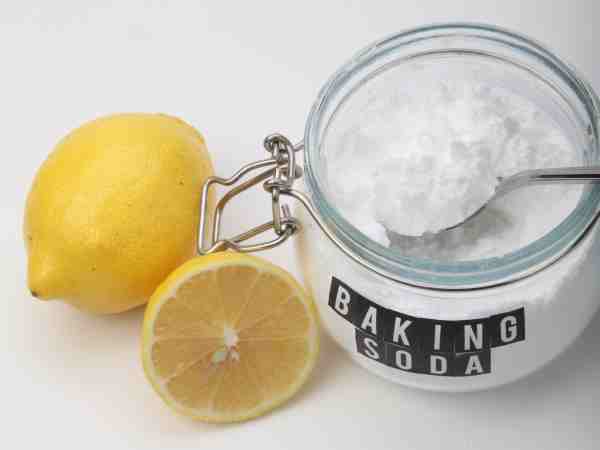
Simple and Effective DIY Eco-Friendly Cleaning & Products Recipes for a Healthy Home
Now that you’re familiar with their advantages, transitioning to practical application with your eco-friendly cleaning & products couldn’t be simpler. Let’s break down three essential cleaners using common core ingredients that deliver professional results without harmful chemicals.
All-Purpose Cleaner Ingredients:
- 1 cup water
- 1 tablespoon castile soap (unscented or lavender)
- 10 drops of lemon essential oil
Directions: Combine ingredients in a spray bottle. Shake gently before each use.
Best Uses: Countertops, bathroom surfaces, laminate floors
This versatile solution tackles grease and grime while leaving kitchen spaces smelling fresh. Its gentle formula works beautifully on wood surfaces too – just avoid oversaturation.
Streak-Free Glass Cleaner Ingredients:
- 2 cups water
- ¼ cup white vinegar
- 8 – 10 drops essential oil
- ½ teaspoon cornstarch (optional)
Directions: Combine ingredients in a spray bottle. Add cornstarch and shake vigorously if using.
Best Uses: Mirrors, windows, chrome fixtures
Pro tip: Combine with a lint-free microfiber cloth for ultimate shine. The cornstarch trick creates anti-static protection that resists future fingerprints.
Basic Soft Scrub Ingredients:
- 1½ cups baking soda
- 3 tablespoons castile soap (liquid form)
- 10 drops tea tree, lavender, or lemon essential oil
Directions: Whisk components in a mixing bowl until a smooth, spreadable texture forms
Best Uses: Sinks, bathtub rings, stubborn countertop stains
What makes these formulas special? Baking soda’s mild abrasive action removes residue without scratching surfaces, while white vinegar cuts through grease like a hot knife through butter. Together, these core ingredients form a dynamic cleaning duo you can tailor endlessly.
With these fundamental recipes established, you’ll naturally wonder – how do I adapt solutions if someone’s sensitive to citrus or essential oils? Let’s explore customized formulas in our next guide.
Also Read: Mastering Your Utility Bill And Practical Energy Efficiency Practices
Tailoring Your Eco-Friendly Cleaning & Products for Sensitive Households
For families managing allergies, crafting truly hypoallergenic cleaning solutions requires sharp ingredient awareness and simple formulas. Those with fragrance sensitivities should swap perfumed products for unscented castile soap, skipping essential oils entirely to prevent reactions.
Facing vinegar sensitivities? Replace white vinegar with club soda for streak-free windows while avoiding skin irritation. Want extra protection? Blend in glycerin when creating scrubs – its slippery texture safeguards both surfaces and delicate hands.
Always test new recipes (this approach functions as a safety testing protocol):
- Surface trials – Dab cleaner onto a hidden tile before general use (Patch testing)
- Mini batches – Mix quarter portions to avoid formula waste (Small batches)
- Container prep – Scrub old detergent bottles until residue-free (Purge old containers)
Troubleshoot cloudiness easily – when diluted solutions leave film, adjust ratios or wipe with pure water. These mindful adjustments transform homemade efforts into trigger-free formulas and safe sanctuaries where even sensitive families breathe easier. Your cleaner customization journey begins here.
Start Your Journey to a Healthier Home with Eco-Friendly Cleaning & Products
Embracing DIY natural cleaning helps you take a rewarding step toward healthier living spaces free from harsh chemicals.
This green shift not only prioritizes your family’s well-being but also unlocks surprising cost-effectiveness when crafting all-natural homemade cleaners from simple ingredients.
So why not begin by testing one recipe from our guide? Adopting DIY natural cleaning practices starts with this manageable first effort.
Readers could experience firsthand satisfaction in making their own eco-friendly cleaning & products, proving green solutions need no compromise.