

While utility bills often present a maze of charges that confuse even conscientious users, their complexity hides opportunities waiting to be unlocked. Let’s dive into a practical guide that deciphers these documents and shows how energy efficiency practices can transform your energy spending into strategic savings.
Adopting these methods doesn’t just lower energy costs and reduce your carbon footprint —it directly contributes to energy conservation and slashes your household’s overall energy consumption. To turn this knowledge into action, we need to bridge the gap between confusion and energy affordability through bills that truly work in your favor.
Making Sense Of Your Electricity Bill Components
Understanding your electricity bill holds the key to unlocking substantial savings – let’s demystify the utility bill components that determine your monthly charges. When you’re staring at that cryptic document, remember, “It’s not about complicated math, but knowing where to look”
Your energy usage charges typically form a significant part of the bill, calculated by multiplying your meter-recorded energy consumption (in kWh) by the rate per kilowatt-hour. This rate depends on your selected Rate Plan (whether a stable fixed-rate arrangement, variable market-based pricing, or Time-of-Use (TOU) rates that fluctuate throughout the day.
You’ll always see fixed charges, covering essential grid services like grid maintenance and powerline repair teams—a constant fee. This part isn’t affected by your monthly usage. Think of it as a “membership fee” for staying connected to the grid.
Look for usage insights hiding below the main totals: Daily average usage reveals patterns, while comparison with previous periods tracks seasonal shifts. If you’ve opted for time-of-use, you’ll see different pricing for high-demand peak hours versus budget-friendly off-peak hours, like paying premium prices for concert tickets versus matinee rates.
Finally, don’t overlook taxes and fees —standard line items for regulatory requirements and renewable initiatives. With this roadmap of your bill’s landscape, you’re ready to transform understanding into action. Next, we’ll translate these insights into practical energy efficiency practices that reduce your consumption while maintaining lifestyle comfort.
Simple Yet Effective Energy Efficiency Practices For Daily Savings
Now that you’ve decoded your electricity bill by understanding its components, let’s explore simple adjustments that slash your energy costs without upfront investments through energy efficiency practices. Remember: small behavioral tweaks create cumulative results, reducing both your energy consumption and monthly bills significantly.
Start With Smart Thermostat Habits
- Program setbacks when away/asleep – even a 7°F adjustment reduces HVAC strain
- Avoid extreme temperature changes that force systems to overcompensate
- Keep lamps/TVs far from the thermostat to prevent skewed room readings
Lighting Strategies for Instant Savings
- Turn off unnecessary lights using occupancy sensors or daylighting
- Replace incandescent bulbs with LEDs – cuts lighting power by 90%
- Close southern window curtains during midday heat spikes
Appliance Management Essentials
- Wash only full loads in dishwashers/clothwashers to reduce the number of cycles, saving both water and energy.
- Defeat vampire power using smart power strips for media/office equipment
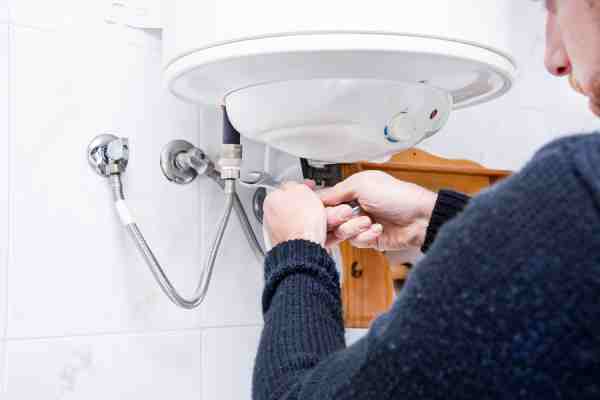
- Set the Water heater to 120°F to prevent hidden standby losses
Fans: Your Secret Climate Tool
- Ceiling fans spin counterclockwise during summer to amplify air conditioning
- Direct bathroom/kitchen exhaust outdoors – prevents humidity-induced overcooling
- Turn fans off in empty rooms – they chill people, not spaces!
Final Note: By blending thermostat discipline, LED adoption, and appliance vigilance into these low-cost efficiency habits, you’re not just lowering bills – you’re crafting a home that works smarter.
Ready to level up your efficiency game? Next, we’ll discuss affordable upgrades like air-sealing and equipment optimizations to multiply those savings.
Enhancing Home Energy Performance For Long-Term Benefits
There’s another side to energy efficiency waiting to be unlocked. Moving beyond everyday adjustments to explore advanced energy efficiency practices helps create lasting home comfort while delivering substantial long-term savings. Like updating tactics for modern challenges, these advanced energy-saving strategies combine smart materials with thoughtful upgrades for maximum impact.
You’ve probably noticed how drafty windows force your heating system and cooling system into overdrive – but what’s really happening? Air Leakage creates an invisible drain on your HVAC System —like running a marathon while dragging weights. The harder your systems work, the more energy dollars leak through cracks.
Pro Tip: Mastering Air Sealing
- Identify sneaky gaps: Check window frames, door jambs, and piping entry points using incense sticks or thermal cameras.
- Choose your armor: Apply Caulk to stationary joints and install Weatherstripping on movable components.
“But wait,” you might ask: “Shouldn’t I replace my appliances first?” Before splurging on upgrades, understand this golden rule from efficiency warriors: Newer doesn’t automatically mean thriftier. While energy-saving appliances reduce operational costs, true savings come from pairing them with the ENERGY STAR Program’s wisdom. Like buying shoes that fit your marathon route, choosing certified models ensures lasting performance alignment.
Key considerations:
- Look beyond price tags to annual energy use labels.
- Prioritize fridge/water heater replacements (they work 24/7).
Your HVAC System deserves TLC, too. As filters clog with dust, your Heating System becomes as ineffective as a runner breathing through a straw. Three maintenance warriors battle this inefficiency, boosting HVAC Efficiency:
- Swap the clogged furnace filter. Do this seasonally.
- Free vent pathways like clearing roads for air traffic.
- Vacuum intake vents (think of it as CPR for system breathing).
Good practice alert! Many communities offer Financial Incentives for efficiency makeovers. Check resources modelled after DSIRE (Database of State Incentives for Renewables & Efficiency) to uncover rebates that could slash your upfront costs.
The verdict? These advanced energy-saving strategies don’t just tweak energy flows-they transform homes into tightly sealed, wisely optimized ecosystems. Every sealed gap and maintained vent contributes to lower bills, enhanced comfort, and environmental stewardship—ready to be amplified in our final playbook for energy confidence.
Also Read: Mastering Home Energy Efficiency Practices To Lower Your Utility Bills
Your Path To Sustained Energy Savings And Environmental Impact
By now, understanding your utility bill and adopting energy efficiency practices should feel like discovering hidden dials that directly control energy costs and carbon footprint reductions. Consistently applying these adjustments transforms everyday awareness into measurable energy savings, proving that small thermostat tweaks and lighting choices directly translate to lower utility bills.
This conscious approach not only unlocks cost-saving opportunities through reduced demand on systems like HVAC but also aligns daily living with critical environmental goals. Therefore, as climate-conscious homeowners, you’ve reached an inflexion point.
Start this week by applying one efficiency tactic that reshapes both wallet impact (financial benefits) and community legacy (emissions reduction). When your next billing cycle reveals tangible proof, you’ll know this knowledge works harder than all previous assumptions combined.