
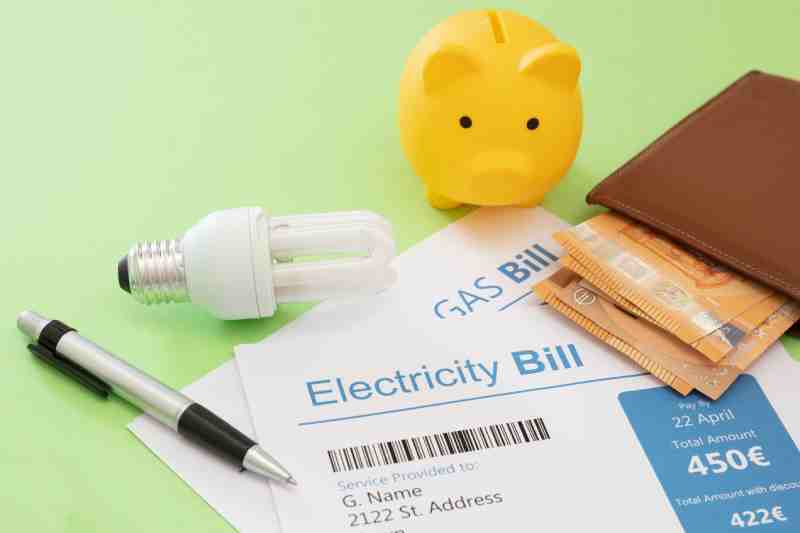
Tired of watching your home energy bills climb higher every month? Many families like yours are feeling the squeeze on their budgets. This increased energy use doesn’t just drain your wallet – it contributes to our collective environmental footprint through greenhouse gas emissions and resource depletion.
The good news? You don’t need expensive solar panels or smart thermostats to make a difference. Significant savings start with simple behavioral shifts in daily routines. Adopting straightforward energy efficiency practices helps families reduce energy consumption, lower those monthly utility bills, and shrink their environmental impact simultaneously.
Let’s explore some no-cost behavioral changes your household can implement today to start saving. From adjusting thermostat habits to optimizing appliance use, these family-friendly strategies add up to real results.
Unlocking Savings Through Smart Daily Energy Habits
Did you know simple awareness and behavioral shifts form the foundation of powerful energy efficiency practices? Take turning off lights in empty rooms—an effortless habit yielding direct savings without special equipment.
Want an easy starting point? Conduct weekly 5-minute home walkthroughs. Spot forgotten lights and unplug humming phone chargers. Making “Last Out Lights Out” a family game transforms energy savings into fun accountability.
Beyond lighting lies hidden drainage from electronic devices, general like televisions and game consoles, consuming standby power even when off. These phantom power loads (or vampire power loads) trickle energy 24/7 from idling printers and coffee makers, possibly adding 10% to your energy bill.
Combat this stealth drain with these daily habits:
- Always turn off lights in empty rooms.
- Strategically unplug devices like chargers and small appliances.
- Use power strips to easily switch off multiple electronics in device clusters.
The true brilliance? These energy efficiency practices require zero financial investment or property modifications—perfect whether renting or owning. Such behavioral energy savings can reduce your energy bills by around 5-15% annually, directly saving money.
Ready to expand these no-brainer tactics? Upcoming household appliance strategies amplify savings through refrigerator management and thermostat tweaks.

Optimizing Common Household Routines For Better Energy Efficiency Practices
Your home’s major appliances unlock surprising power through simple energy efficiency practices, not costly upgrades. Heating and cooling systems alone consume 35-50% of household energy use, but thoughtful thermostat adjustments yield immediate benefits.
Consider thermostat settings your first line of defense against high energy bills. For winter, try lowering it to 68°F when awake, then reducing it 7-10°F at night or when you’re out. Summer savings come by setting it to 78°F when home and letting interiors warm when empty. The U.S. DOE confirms adjusting temperatures 7-10°F for eight hours daily can save 10% off heating/cooling costs.
Fans amplify savings without AC overdrive. Set ceiling fans to turn counter-clockwise in summer; this pushes cool air down, allowing you to raise the thermostat by about 4°F and still feel comfortable. Remember: fans work best cooling people, not entire rooms, so flip switches off when nobody’s home.
Laundry Room Savings:
- Wash clothes in cool water. ENERGY STAR notes water heating accounts for about 90% of a washer’s energy use.
- Use indoor dry racks or outdoor lines when weather allows, letting sun and air dry for free.
Kitchen Strategies:
- Run fully packed dishwashers.
- Skip pre-rinsing; modern models handle dirty dishes.
- Enable “eco mode” and use air-dry or no-heat dry settings.
Don’t overlook this hidden gem: Ensure your water heater stays at 120°F. This 5-minute safety check prevents significant ongoing energy waste without changing daily routines.
These accessible energy efficiency practices require no investments beyond consistent behavioral shifts. As these daily patterns solidify into family habits, you’ll notice reduced bills and a quieter home environment. With appliance use optimized, the next step is to explore how collaborative family efforts can further boost your savings throughout the home.
Also Read: The Path to Smart Energy Efficiency Upgrades with ENERGY STAR
Sustaining Energy Efficiency Practices Through Teamwork And Lasting Habits
Just as businesses thrive with collaboration, household energy savings skyrocket when families work together. This coordinated approach transforms individual actions into collective impact—the true power behind effective energy efficiency practices.
Make energy conservation your family’s next project:
- Hold “eco-checks” for thermostat settings (e.g., 68°F winter).
- Assign roles like “Light Captain” to kids.
- Use fun fridge reminders—dinosaur warning about lights!
These actions raise eco-conscious kids and build sustainable habits.
For roommates, energy management is strategic teamwork. Create a good practice pact for agreed standards:
- Winter heat: max 67°F daytime.
- Nightly power monitor checks.
- “Meme Method” fines for unneeded lights via text gifs.
Track progress with the Cheatsheet Method: a shared board comparing projected vs. actual bills. Bill drops $40? Split the pizza fund! These wins cement energy efficiency practices daily.
Smart cooking techniques boost savings:
- Microwaving leftovers saves 80% energy vs. the oven.
- Using a lid on a pot, matching pot size to the burner, or cooking larger batches at once can save energy.—Teach teens while prepping.
Consistent behavioral energy savings, like closing curtains nightly for heat, generate compound savings. When households unite, they forge habits benefiting wallets and the planet long-term.
These collaborative strategies underscore a vital truth: mindful teamwork around energy efficiency unlocks enduring financial flexibility while nurturing shared responsibility, setting the foundation for tomorrow’s eco-friendly homes.
Embrace Behavioral Energy Efficiency Practices For Lasting Financial And Environmental Rewards
Embracing simple energy efficiency practices significantly cuts household energy use, benefiting both your wallet and the environment. This path to behavioral energy savings creates financial flexibility and fosters sustainable living by reducing your environmental footprint.
Real power lies in these conscious, no-cost choices, giving you control without expensive upgrades. Start by consistently applying a few habits; small, repeated actions compound into substantial savings and aid energy conservation. These mindful everyday choices truly empower you to make a difference from home.