

Pollinators like bees, butterflies, birds, and bats play vital, often unseen, roles in our healthy Ecosystems. Indeed, they pollinate over 85% of flowering plants and one-third of global crops, which is essential for our Food Security.
However, you may have noticed fewer of these helpful creatures recently. This Pollinator Decline threatens US Biodiversity and jeopardizes our Food Security.
This critical situation demands urgent Conservation efforts. This guide offers actionable strategies for creating pollinator habitats and making informed land choices that boost ecological resilience, helping you protect biodiversity and enhance farm productivity.
The Vital Connection Pollinators, Food, and Ecosystem Stability
Pollinator Decline is accelerating across the United States – a dangerous trend threatening human food supplies and our Ecosystems. Monarch Butterflies show this crisis most dramatically, with populations crashing since 1995, as Honey Bees face similar alarming drops.
However, these devastating losses don’t emerge from nowhere. The primary drivers? Habitat Loss, eliminating nesting grounds and pollen sources, deadly Pesticides, combined with diseases and invasive parasites. Monarchs and native Bees alike get trapped in this destructive spiral, unable to find nourishment or safe breeding spaces where development and industrial agriculture dominate landscapes.
The consequences ripple through our Food Production. Three-quarters of flowering plant species need animal pollination, including a third of all global crops. In fact, one in three bites you take – apples, coffee, even beef (via pollinated feed crops) – depends on these insects.
Moreover, this natural service generates more in annual U.S. agricultural value while sustaining food webs and soil health across natural Ecosystems. When Pollinator Decline continues unchecked, we don’t just face higher grocery bills, but the collapse of Biodiversity, the very foundation of our biosphere’s balance. Protecting our pollinators is now critical to US Conservation success and overall Biodiversity & Conservation.
Becoming a Pollinator Champion: Practical Steps for Biodiversity & Conservation in Your Space
You’ve got what it takes to be a Pollinator Champion, championing Biodiversity & Conservation right in your backyard! By transforming everyday spaces into pollinator paradises (which are Pollinator-friendly gardens), you’ll see how small changes make big impacts for local Ecosystems.
Pollinators thrive wherever they find flowering plants – think roadside wildflowers or butterfly-friendly herbs on balconies. Even compact areas become crucial pit stops for these busy workers, contributing to the overall Pollinator Habitat.
One powerful piece of Actionable Conservation? Ditch synthetic Pesticides entirely. Here’s why:
- Neonics linger 1,000+ days in soil.
- Beneficial beetle populations drop on treated farms.
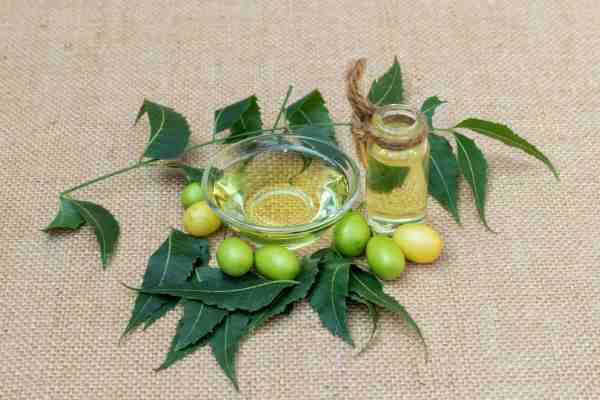
- Organic alternatives like neem oil prove just as effective for aphid control.
But I need crop protection!” Try these Integrated Pest Management (IPM) alternatives:
- Mix cinnamon oil spray at dawn (bees sleep in!).
- Encourage ladybug habitat near squash patches.
- Plant pest-confusing marigold borders.
Remember this golden rule for Native Plants: “Native Plants = nonstop buffet.” Swap thirsty ornamentals for drought-resistant Native Plants like beardtongues and blazing stars. They’ll bloom for weeks with zero irrigation!
What is the ultimate payoff for these efforts supporting biodiversity and conservation? Healthier gardens need fewer pest interventions. Let’s build landscapes that hum with life while safeguarding our crucial biodiversity and conservation legacy! Up next, we’ll dive into perfect Native Plant selections tailored to your USDA zone.
Fueling Our Pollinators – Smart Plant Choices for Enhanced Biodiversity & Conservation
Just as strategic planning transforms agricultural spaces into thriving Pollinator habitats, selecting the right plants calls for thoughtful consideration tailored to your region’s ecosystems. This approach forms the backbone of effective Biodiversity & Conservation efforts by providing Pollinators precisely what they require.
Powerhouses of Nectar and Pollen, Native Plants like coneflowers and Milkweed form the backbone of resilient Pollinator Habitat. Unlike exotic imports, these botanical workhorses naturally thrive in local conditions while offering familiar food sources. Bees and Butterfly species evolved alongside – no coddling required.
To discover regionally appropriate species:
- Consult Pollinator Partnership’s ecoregional guides
- Focus on 3+ bloomers per season (spring/summer/fall)
- Group matching plants in 3-foot clusters for visibility
Ensure year-round nutrition using nature’s calendar – imagine goldenrod feeding monarchs preparing for migration, paired with early-blooming wild columbine nourishing emerging queen Bees. Vary textures, heights, and colors (representing Flowers) through strategic planting – think purple salvia spires complementing creeping thyme mats – to accommodate diverse feeding preferences for Pollinators.
Don’t overlook kitchen garden helpers! Rosemary bushes buzz all summer, while bolted cilantro becomes a Butterfly buffet. Even your unharvested broccoli, left to blossom beyond maturity, transforms into an unexpected pollination pitstop.
Those gorgeous double-petaled Hybrid Species (plants) at big box stores? Resist the temptation! Their showy blossoms often lack Nectar pathways and viable Pollen, essentially becoming floral food deserts despite their curb appeal.
For Butterfly enthusiasts – prepare for intentional sacrifice. Planting Milkweed, the sole Caterpillar Host Plant monarchs require, means hungry larvae will skeletonize leaves. Tuck these living nurseries behind sturdier plants where chewed foliage blends into natural patterns.
By mindfully layering predominantly Native Plant selections across seasons and purposes, you create self-sustaining Ecosystems that support Pollinators through every life stage. Each thoughtful plant choice ripples outward through enhanced biodiversity & conservation, setting the stage for systemic environmental improvements that start right beneath your feet.
Also Read: Your Guide to Choosing Eco-Friendly Cleaning & Products for a Healthier Home
Your Actions Cultivate a Future for US Biodiversity & Conservation
As a Pollinator Champion, your everyday choices in Actionable Conservation fuel meaningful progress – supporting Pollinators preserves fragile Ecosystems, strengthens local food security, and inspires entire communities to adopt Stewardship practices. Through habitat creation, pesticide reduction, and native plant cultivation , you create ripples extending far beyond your own garden.
The journey doesn’t end with personal action. Share success stories about monarch migration patterns revived through urban milkweed gardens. Explain how clover-filled pastures increase blueberry yields through enhanced Pollinator activity. Every conversation fosters awareness, transforming neighbors into collaborators for biodiversity and conservation.
Your efforts today shape tomorrow’s environmental reality. By embracing sustainable habits and educating others, you join pioneers in rebuilding our Future Stewardship landscape. Let’s reimagine American backyards and farmlands as vibrant pollinator highways – starting with your next seed planting or pesticide-free growing season.